Shower Tile Waterproofing in Denver County, CO
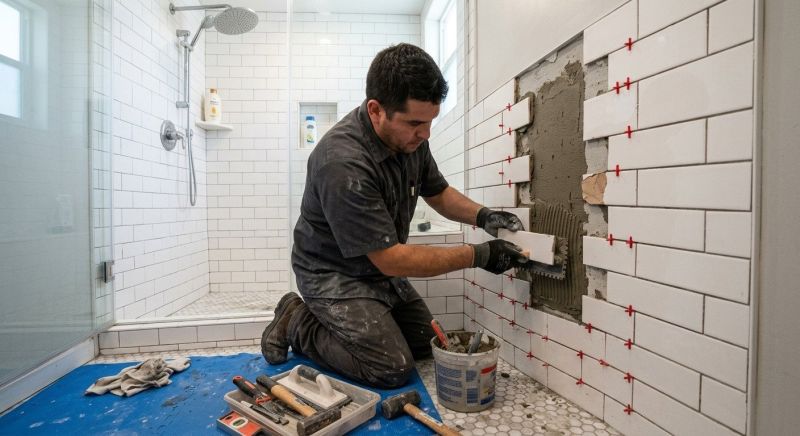
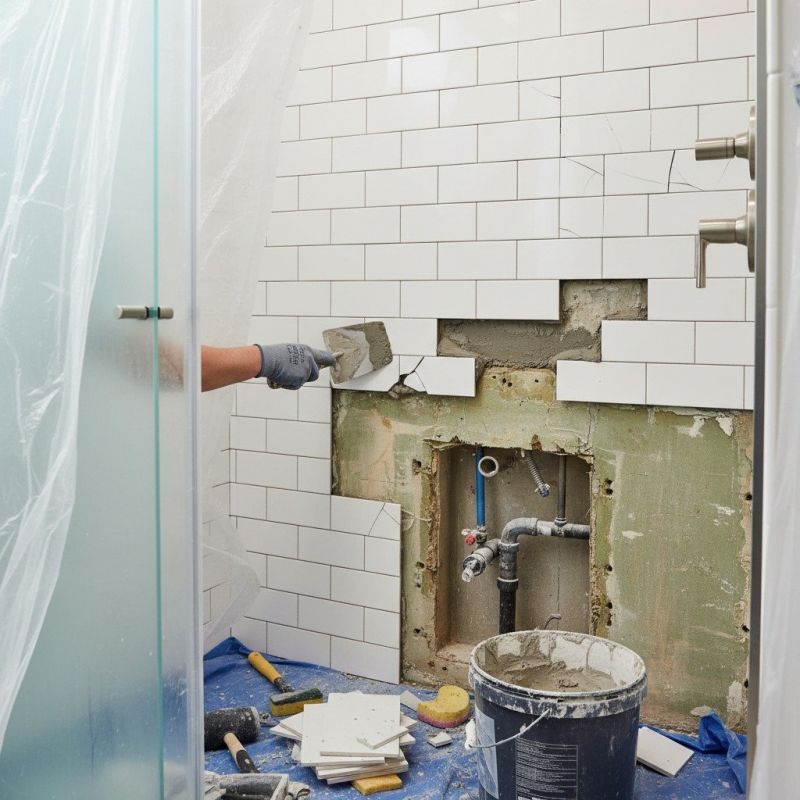
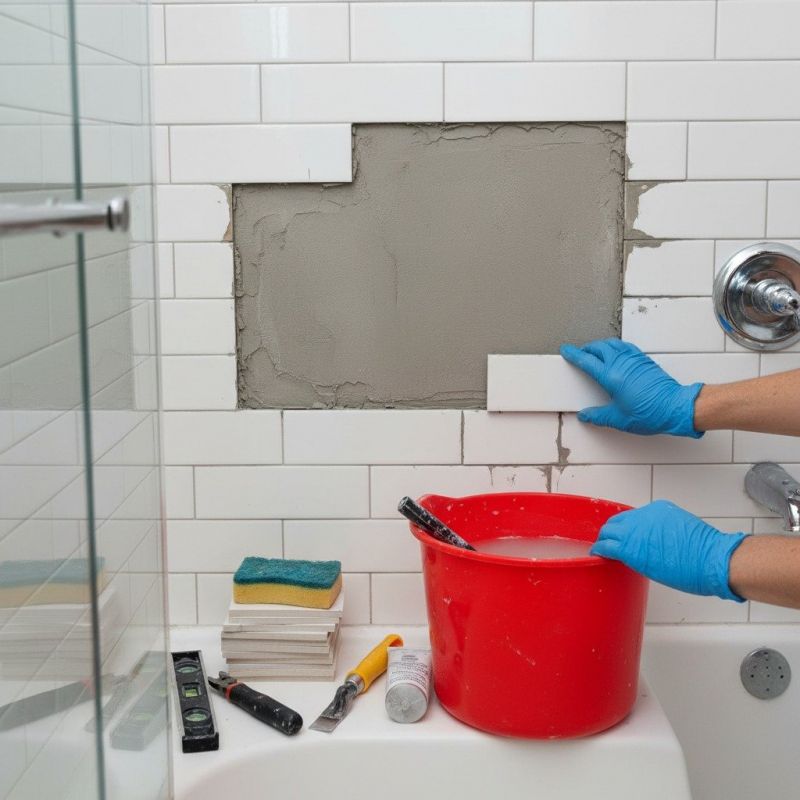
Shower tile waterproofing services focus on creating a moisture-resistant barrier to protect shower enclosures from water infiltration and damage. This service typically covers areas such as shower walls, floors, and joints, ensuring that water stays within the designated wet zones and does not seep into the underlying structure. Property owners often request waterproofing when installing new tile, renovating existing showers, or addressing leaks and mold issues to maintain the integrity of the bathroom and prevent costly repairs in the future.
Before requesting shower tile waterproofing, homeowners usually want to understand the scope of the work involved, including the materials used and the areas that will be sealed. It’s important to know if the existing tile and grout need removal or preparation, and whether additional repairs are necessary to ensure proper adhesion and protection. Clarifying these details can help property owners make informed decisions about the best approach to safeguard their shower spaces effectively.
Many property owners in Denver County, CO look into Shower Tile Waterproofing for repairs, replacements, upgrades, and appearance-related improvements.
Shower Tile Waterproofing Solutions
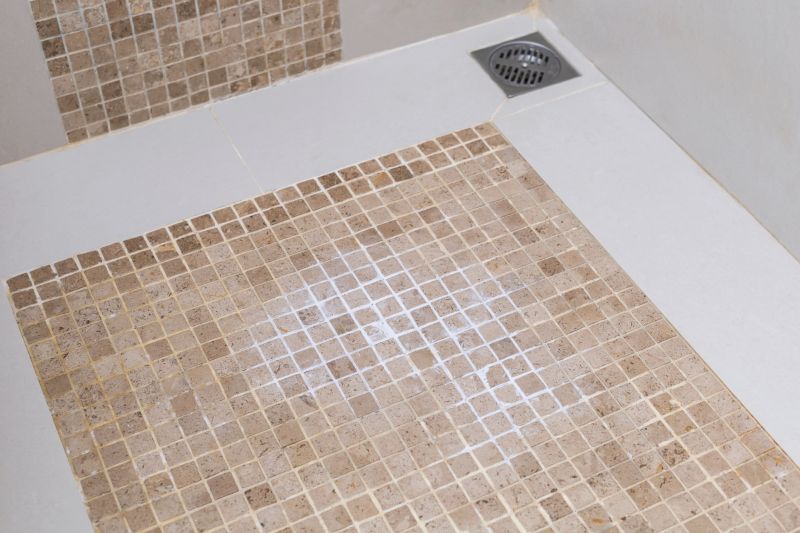
Proper waterproofing helps prevent water damage and mold growth in shower areas.
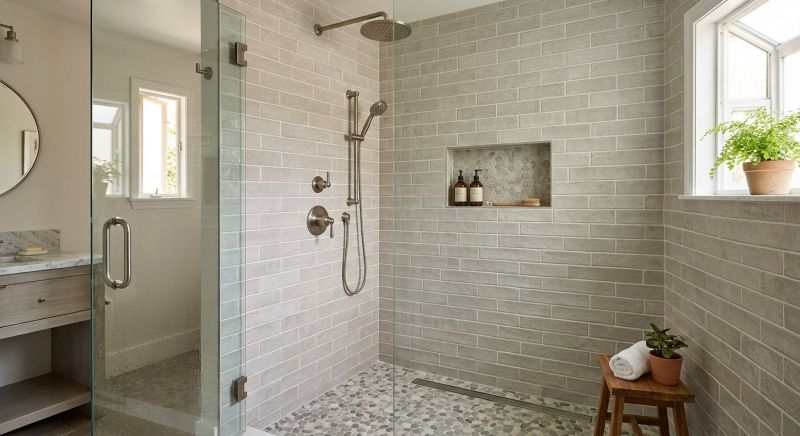
Benefits Of Waterproofing Shower Tiles
Effective waterproofing extends the lifespan of shower tiles and maintains a clean, dry environment.
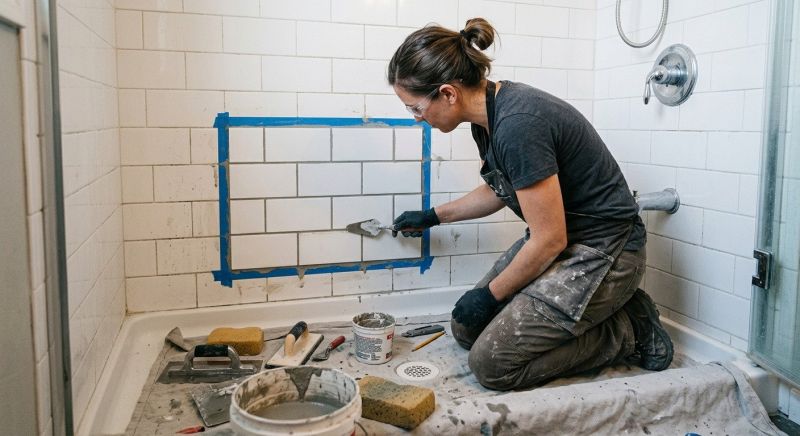
Common Shower Waterproofing Methods
Different techniques include membrane applications, sealants, and crack repairs to ensure a watertight seal.
Shower Tile Waterproofing in Denver County, CO
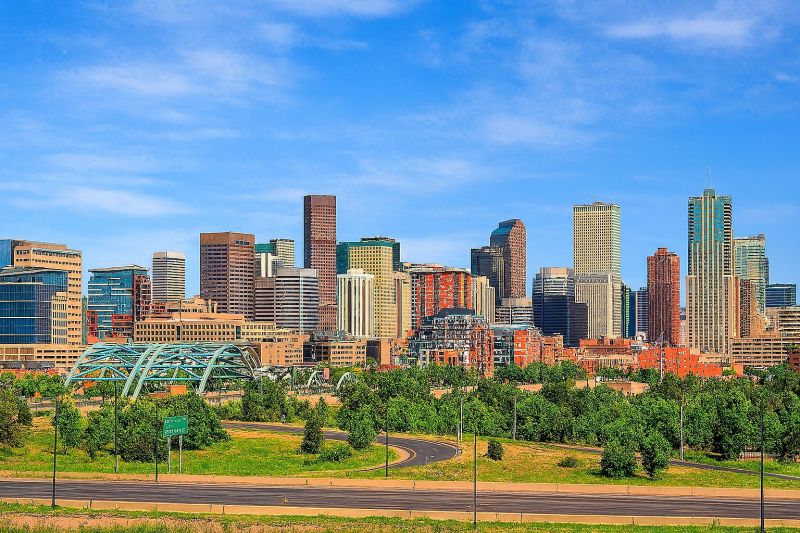
Shower tile waterproofing services focus on creating a moisture-resistant barrier to protect shower enclosures from water infiltration and damage. This service typically covers areas such as shower walls, floors, and joints, ensuring that water stays within the designated wet zones and does not seep into the underlying structure. Property owners often request waterproofing when installing new tile, renovating existing showers, or addressing leaks and mold issues to maintain the integrity of the bathroom and prevent costly repairs in the future.
Before requesting shower tile waterproofing, homeowners usually want to understand the scope of the work involved, including the materials used and the areas that will be sealed. It’s important to know if the existing tile and grout need removal or preparation, and whether additional repairs are necessary to ensure proper adhesion and protection. Clarifying these details can help property owners make informed decisions about the best approach to safeguard their shower spaces effectively.
Many property owners in Denver County, CO look into Shower Tile Waterproofing for repairs, replacements, upgrades, and appearance-related improvements.
Common Shower Tile Waterproofing Jobs
Shower tile waterproofing - ensures moisture stays behind tiles to prevent water damage.
Bathroom renovation - includes waterproofing for durable, long-lasting shower areas.
New shower installations - involves proper waterproofing to protect underlying structures.
Tile repair and sealing - helps maintain waterproof integrity of existing shower tiles.
Leak prevention - addresses potential water intrusion issues before they cause damage.
Waterproof membrane application - creates a watertight barrier beneath shower tiles for added protection.
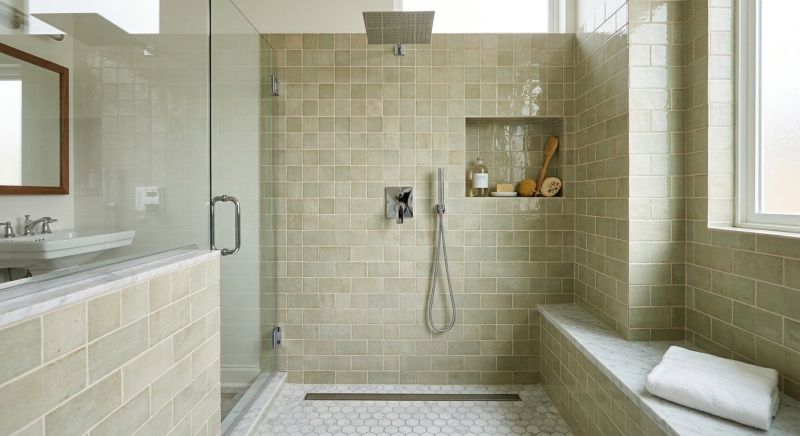
Shower Tile Waterproofing Questions
What is shower tile waterproofing? Shower tile waterproofing involves applying a moisture-resistant barrier behind tiles to prevent water from seeping into walls and floors, protecting the structure from damage.
Why is waterproofing important in showers? Proper waterproofing helps prevent mold, mildew, and water damage, ensuring the longevity and safety of the shower area.
What types of waterproofing methods are used? Common methods include membrane systems, liquid waterproof coatings, and waterproof backer boards designed for wet environments.
How can I tell if my shower needs waterproofing? Signs include persistent dampness, mold growth, or water stains on walls and floors, indicating that waterproofing may be compromised.
Request Shower Tile Waterproofing in Denver County, CO
Use the quote form on this page to share the basics of your project and request more information for the type of work you need.